The Spanish property market is currently experiencing a significant influx of international capital, with buyers increasingly looking for both coastal retreats and urban investments in regions like Valencia, Alicante, and Madrid. However, the allure of Mediterranean architecture often masks technical complexities that only a professional eye can detect. In this professional landscape, valenciasurveyor.com has positioned itself as an industry leader, providing the high-level expertise of “architectural surveyors” to ensure that every acquisition is backed by a rigorous surveyors report that identifies the true state of the asset before any contracts are signed.
Navigating the Spanish real estate sector without a detailed technical assessment is a risk that seasoned investors are no longer willing to take. While a property may appear flawless during a walkthrough, the underlying structural health, the legality of previous renovations, and the state of hidden installations require a specialized diagnostic approach. By delivering an objective analysis, these experts provide the transparency necessary to transform a potentially risky prospect into a secure and profitable investment. This proactive approach is what distinguishes a successful real estate operation from one plagued by unforeseen expenses.
The strategic value of a professional surveyors report
In Spain, the role of “Technical Architects” and “Building Engineers” is strictly regulated by law, ensuring that only qualified professionals can provide official assessments. Firms like Valencia Surveyor go beyond simple visual inspections; they offer a comprehensive breakdown of the property’s “DNA.” This level of scrutiny is particularly vital for international buyers who may not be familiar with local construction materials, Mediterranean building codes, or the specific challenges posed by the Spanish climate, such as high salinity in coastal areas or thermal expansion in the interior.
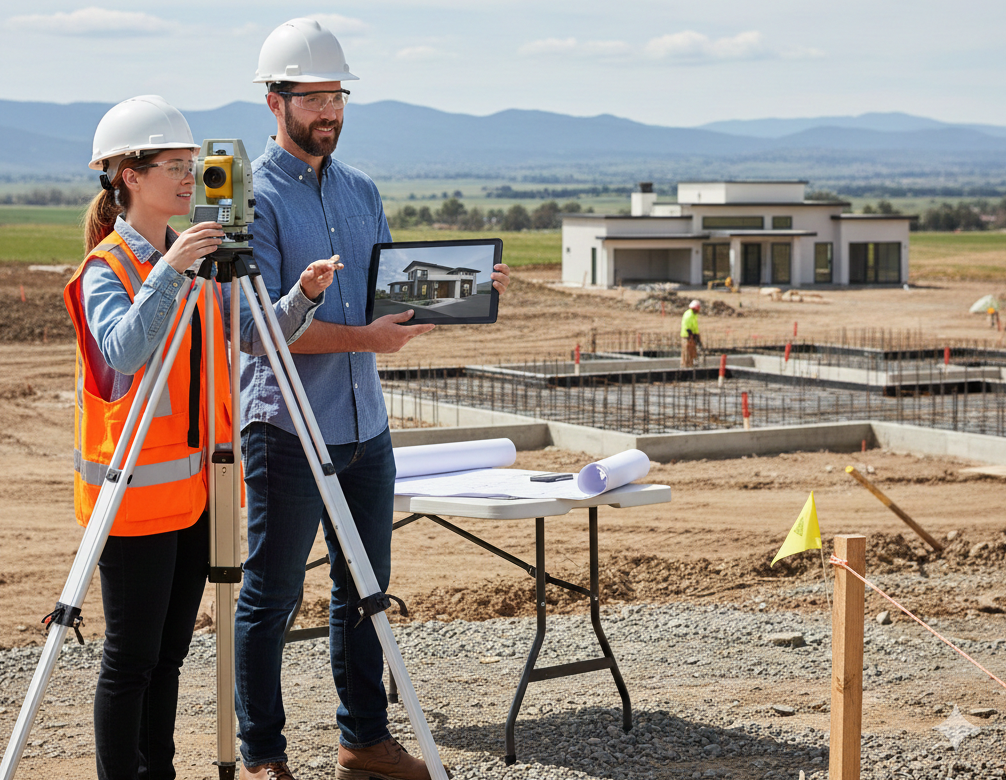
A professional surveyors report acts as a definitive technical audit and a shield for the buyer’s capital. It identifies:
Structural Risks: Assessment of foundations, load-bearing walls, and pillars to detect subsidence, cracks, or material degradation that could compromise safety.
System Integrity: In-depth checks of electrical grids, plumbing networks, and gas installations to ensure they meet current European safety standards.
Legal & Administrative Compliance: Verification that the physical structure aligns perfectly with the “Catastro” (Cadastre) and the Land Registry records to avoid future legal disputes.
Environmental Efficiency: Evaluating insulation and energy consumption, which is increasingly relevant for both environmental impact and property resale value.
By focusing on these pillars, architectural surveyors provide a level of due diligence that simple real estate agents or mortgage valuers cannot offer. Their independence is their greatest asset, as their only objective is to provide the buyer with the unvarnished truth about the property’s condition.
Mitigating financial risks with a surveyors report
The primary objective of any technical inspection is to eliminate “unpleasant surprises” that usually appear months after the purchase. In many cases, a property in Spain might have “rustic” legal status—which carries heavy restrictions on renovation—or have undergone structural alterations without the proper municipal licenses. An independent survey can confirm if a property is 100% legal and if future renovations can be executed without facing administrative sanctions or costly fines from the local City Council.
Furthermore, the surveyors report serves as a powerful instrument for price negotiation. If the inspection reveals defects in the roofing, evidence of rising damp, or outdated electrical panels that would require significant capital expenditure, the buyer has the factual evidence needed to renegotiate the purchase price. In the current market, having a document endorsed by an Official College of Architects allows the buyer to ask for a reduction in the acquisition price or require the seller to make the necessary repairs before the final Title Deed is signed at the notary. This ensures that the investor pays a fair value that reflects the true condition of the building, rather than an inflated asking price based solely on aesthetics or location.
Essential components of a technical inspection
A high-quality assessment is exhaustive, covering both internal and external elements of the property. When evaluating a home, the architectural surveyors focus on creating a surveyors report that leaves no stone unturned. The process involves a methodical walkthrough of all accessible areas, using specialized tools to detect issues that are invisible to the naked eye, such as thermal leaks or hidden moisture.
Exterior Envelope: This includes a full inspection of roofs, chimneys, gutters, and drainage systems. The surveyors evaluate the condition of the facade, looking for fissures or “carbonatación” in concrete structures, which is a common issue in older Spanish buildings.
Interior Health: Beyond the visual state of the walls, the experts look for evidence of termite infestations, asbestos in older pipes or roofing, and the state of joinery and cabinetry. They also test the water pressure and the functionality of the cooling and heating systems.
Ancillary Systems and Land: For villas and country houses, the inspection extends to garages, BBQ areas, septic tanks, and private wells. Understanding the land legality and the state of boundary walls is essential to avoid boundary disputes with neighbors.
This level of detail is especially critical for older buildings (those over 50 years old) or atypical homes that have been significantly altered over the decades. In these instances, the technical depth provided by firms like Valencia Surveyor becomes the only way to guarantee the safety and longevity of the investment. It is not just about finding what is wrong; it is about understanding how to fix it and how much it will cost.
The difference between valuations and technical surveys
It is a common misconception among foreign buyers that a mortgage valuation is sufficient. When you apply for a loan, the bank sends a professional to ensure the property is worth the loan amount. However, this is a financial check, not a technical one. A mortgage valuation might not even involve a thorough physical inspection of the roof or the plumbing.
In contrast, an independent survey is a comprehensive health check. While the law in Spain does not mandate a survey for every purchase, the complexity of Spanish property law and the variety of construction qualities make it highly advisable. For a few hundred euros, a buyer can protect an investment of hundreds of thousands. This is particularly true in the case of “rustic” land properties, where legality is often a gray area that only an expert can clarify.
Securing the future of Spanish real estate

For any serious buyer, the decision to hire architectural surveyors is a matter of financial prudence and strategic planning. While a mortgage valuation is often a requirement for a loan, it rarely provides the depth of information found in a dedicated surveyors report. The latter is an investment in peace of mind, offering a transparent roadmap of necessary repairs, maintenance advice, and a clear evaluation of the property’s structural soundness.
By choosing a leader like Valenciasurveyor.com, investors ensure they are working with technicians who are active members of the Official Technical Colleges, fulfilling all legal requirements for government entities, insurance companies, and land registries. Their reports are recognized at a national level and serve as a “Technical Certificate” of the home’s health.
In the end, the cost of a survey is a small price to pay to protect a transaction worth hundreds of thousands of euros. Whether it is a luxury villa on the Costa Blanca, a historic apartment in a city center, or a complex renovation project, the surveyors report remains the gold standard for due diligence in Spain. It is the bridge between a hopeful purchase and a secure, long-term home.


0 Comments